
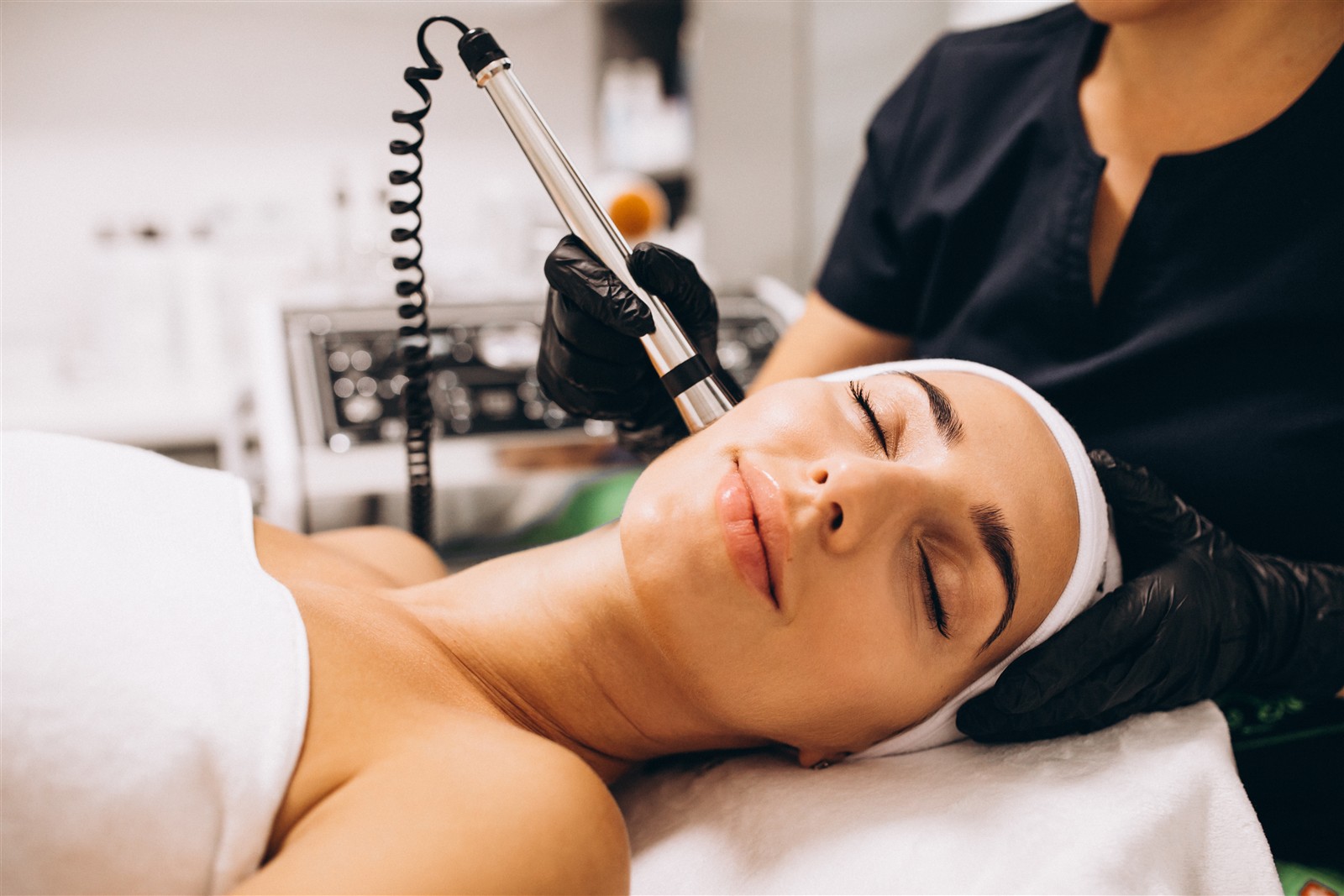
You spotted a rough, scaly patch on your cheek last summer. It didn’t hurt, so you let it go. Now you’re typing "skin specialist near me" into your phone at 11pm. You’re not alone, and you’re not too late. At Compton Mediclinic in Underwood, skin treatments start with a proper look, a clear diagnosis and a plan. This guide explains which skin treatments a GP clinic provides and when a dermatologist is the better next step.
What are skin treatments? Skin treatments are medical options that diagnose, remove or manage sun-damaged skin, sunspots and skin cancers. At a GP clinic, they usually begin with a skin check, then may include cryotherapy, prescribed creams, biopsies or excisions, with a referral to a dermatologist when needed.
Source: Australasian College of Dermatologists
In This Guide
- Sunspots and sun damage
- Skin treatments at a GP clinic
- Dr Syed Naqvi
- Skin check basics
- Common myths
- Skin specialist near me: Underwood
- FAQs
Sunspots and Sun Damage Explained
Quick answer: Sunspots, also called actinic or solar keratoses, are rough, scaly patches caused by sun exposure over many years. They are not skin cancer, but they are a warning sign of sun damage, which is why a skin check matters.
Source: British Association of Dermatologists; Australasian College of Dermatologists
- What they look like: flat pink or grey scaly spots that feel rough and can thicken over time
- Why skin treatments matter: about 60% of invasive squamous cell carcinomas arise from pre-existing actinic keratosis
- Your risk in Queensland: Cancer Council Queensland says the state has the highest rates of skin cancer in the world, and the UV Index sits at 3 or above all year round
Did you know? Two in three Australians will be diagnosed with skin cancer, and about 2,000 die from it each year
Which Skin Treatments Can a GP Clinic Provide?
Quick answer: A GP skin care clinic can examine your skin, take biopsies, treat sunspots, remove suspicious lesions and refer you on. Compton Mediclinic’s skin clinic lists full body skin checks, biopsies, excisions and removal of lumps and bumps.
Source: Compton Mediclinic Skin Clinic
How skin treatments usually work, step by step:
- Assessment: the doctor examines your skin, often with a dermatoscope, a handheld magnifying tool.
- Biopsy if needed: a small sample is tested when a spot is unclear.
- Treatment: options include cryotherapy (liquid nitrogen freezing), curettage and cautery, topical creams, or excision if skin cancer is suspected.
- Aftercare: cryotherapy can cause pain, redness, swelling and sometimes blistering
- Referral: complex cases go to a specialist.
Cryotherapy is considered the gold standard for individual sunspots (RACGP, AJGP 2024). Topical creams such as 5-FU and imiquimod are commonly used when sun damage covers a wider area (RACGP, AJGP 2025).
Skin Care Clinic and Skin Treatments Compared: GP vs Dermatologist
Feature | GP Clinic | Dermatologist | Best Choice |
How to book | Book directly | GP referral required in Australia | GP clinic first |
Skin check | Full body skin check | Specialist assessment | GP for routine checks |
Sunspot treatment | GPs mostly use single-lesion cryotherapy | Dermatologists more often use field therapy | Depends on how widespread the damage is |
Skin cancer care | Biopsy, excision, referral | Complex or advanced cases | GP first, then referral if needed |
Source: University of East Anglia manuscript on Queensland skin screening; Medical Republic
Pros of a GP skin care clinic: direct booking for skin treatments, one doctor who knows your history. Cons: complex or widespread sun damage may need specialist field therapy. Best use: a first skin check or a single sunspot.
Pro tip: Cancer Council Queensland advises a GP skin check first, then a dermatologist referral for a second opinion (News-Medical).
Meet Dr Syed Naqvi: GP With a Diploma in Dermatology
Dr Syed Naqvi is a General Practitioner with MBBS, FRACGP and Dip. Dermatology qualifications. His profile lists over 20 years of clinical experience in Australia across hospital and general practice settings. He speaks English, Urdu, Punjabi and Hindi. His special interests include general adult medicine, mental health, chronic disease management, Aboriginal and Torres Strait Islander health, refugee health and DVA care.
Dr Naqvi is a GP, not a specialist dermatologist. He consults patients aged 16 and over and does not perform procedural services.
Expert recommendation: Book Dr Naqvi when you want skin treatments planned alongside your wider health, such as chronic disease or mental health. If you need a procedure, tell reception when booking. The clinic’s skin cancer service offers excisions, and Dr Amany Shebl holds a Professional Diploma in Skin Cancer Surgery (2023).
What a Skin Check Involves
Quick answer: At a skin care clinic, a skin check is a head-to-toe examination of your moles and spots. Cancer Council says there is no set frequency guideline, so your doctor advises you if you’re at higher risk. Healthdirect suggests at least every 12 months for high-risk people.
Source: Cancer Council Victoria; Healthdirect
Checklist between visits (ABCDE):
- Asymmetry, Border irregularity, Colour variation
- Diameter over 6mm, Evolving (changing, itching or bleeding)
- Undress in good light and use a mirror, or ask someone to check your back and scalp
Source: Cancer Council Australia; Cancer Council WA
Common mistake: relying on a phone app. Cancer Council does not recommend smartphone apps for self-diagnosis.
Why Most Guides Get This Wrong
Most guides on skin treatments repeat a few myths:
- "Only fair skin gets skin cancer." Healthdirect says olive or dark skin still carries risk.
- "Winter is safe." In Queensland the UV Index is 3 or above all year round.
- "Sunspots are harmless." Many squamous cell carcinomas begin as actinic keratosis.
- "Every skin care clinic offers the same skin treatments." Cancer Council does not operate or endorse any particular skin clinics, so check the doctor’s qualifications.
Industry Perspective: Who Is Really at Risk?
Cancer Council Queensland reports a median melanoma diagnosis age of 61, with about 1,900 Queenslanders aged 50 to 80 diagnosed each year. It also reports melanoma as the most common cancer diagnosed in Queenslanders under 35 (Cancer Council Queensland).
Picture next summer: your skin checked, your sunspot treated, a clear plan. Early skin treatments make that likelier.
Skin Treatment Clinic Near Me: Underwood and Brisbane’s South-Side
Searching for a skin treatment clinic near me, a skin care clinic or a skin specialist near me? Compton Mediclinic is a skin treatment clinic near me for Underwood and south-side patients, at 1/57 Compton Road, Underwood QLD 4119. The clinic serves Brisbane’s south-side, including nearby suburbs such as Springwood, Rochedale and Slacks Creek. It offers onsite parking, wheelchair access and onsite pathology.
- Skin treatments: skin checks, biopsies and excisions, a skin treatment clinic near me for Underwood families
- Hours: Monday to Friday 8:00am to 5:00pm, Saturday 8:00am to 1:00pm, Sunday closed
- Phone: +61 7 3208 4000
- Billing: the website says bulk billing is available; confirm fees when booking
FAQs
Can a GP provide skin treatments for sunspots?
Yes. Cryotherapy, curettage, creams and excision treat sunspots, and GPs commonly use single-lesion cryotherapy (Medical Republic).
Is Dr Syed Naqvi a skin specialist or a dermatologist?
No. He is a GP with a Diploma in Dermatology and consults patients aged 16 and over.
How often should I book a skin check?
It depends on your risk. Your doctor can advise, and Healthdirect suggests at least yearly for high-risk people.
Do I need a referral for a dermatologist or skin specialist near me?
Yes. Australians cannot access a dermatologist for screening without a GP referral.
Where is a skin treatment clinic near me in Underwood?
Compton Mediclinic, 1/57 Compton Road, Underwood QLD 4119.
Is a skin specialist near me open on Saturday for a skin treatment clinic visit?
The clinic is open Saturday 8:00am to 1:00pm.
Is a skin check bulk billed?
The website advertises bulk billing; ask reception about your appointment.
Which skin treatments does a skin treatment clinic near me offer?
Compton Mediclinic lists skin checks, biopsies, excisions and removal of lumps and bumps.
What should I do after cryotherapy?
Expect redness or blistering. Avoid sunscreen on blistered skin until it heals, then resume sun protection (RACGP, AJGP 2025).
Conclusion
Sun damage is common in Queensland but manageable when caught early. The right skin treatments, from a skin check to cryotherapy or excision, are available at a GP skin care clinic, with referral to a dermatologist when needed. Compton Mediclinic offers skin treatments in Underwood, including Dr Syed Naqvi, a GP to see if you’re searching for a skin specialist near me.
Book Your Skin Check Today
Don’t wait for a spot to change. Book skin treatments or a skin check at Compton Mediclinic online at Compton Mediclinic or call +61 7 3208 4000.